
How to Preserve and Present Rich Media (Emojis, Voice Memos & Reaction Bubbles) in Court
Modern mobile forensics must account for subtle conversational layers beyond plain text, because a single tapback or audio clip can alter meaning entirely. Legal proceedings frequently involve disputes over message intent, and opposing counsel routinely challenge exhibits that strip away critical context. Litigation teams require a preservation strategy that maintains reactions, media files, and underlying metadata attached to the original dialogue.
Why Conversational Nuance Alters Legal Interpretation
A message stating permission can signify approval on its surface, yet an appended laughing reaction shifts the tone toward sarcasm. Removing that indicator causes reviewers to assume consent where none existed.
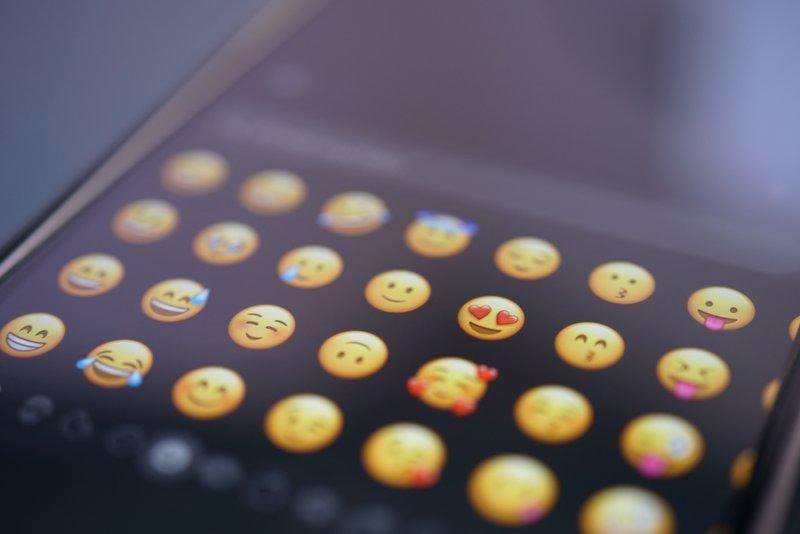
Various symbols carry equal evidentiary weight, with several judges treating icons as proof of agreement or threats. Voice recordings supply intonation, pauses, and ambient sounds absent in typed transcripts. Reply threading establishes temporal order, meaning a brief refusal linked to an earlier prompt differs from an isolated negative response sent hours afterward.
Modified and deleted records introduce another obstacle since iOS platforms and chat applications allow users to alter transmitted content. Such histories remain highly probative. Practitioners tackling accelerated digital investigations amid regulatory scrutiny frequently encounter these artifacts sitting squarely at the center of disputes.
The Hidden Vulnerabilities of Manual Screen Capture Methods
Most rich media loss happens before review begins, typically when a custodian provides screen captures or a paralegal copies a thread into a word processor. The text survives while almost everything else vanishes.
Tapbacks and reactions render as separate lines or disappear completely
Glyph fidelity falters because fonts and operating systems display characters differently
Audio attachments cannot be captured in a static picture
Quote relationships linking replies to original statements vanish
Timestamps and participant metadata disappear at the individual message level
Attachment hashes needed to prove a file remained unaltered are omitted
This gap creates severe exposure. Opposing counsel can argue the exhibit is incomplete or misleading, and judges have excluded proof when proponents fail to explain capture methods. Screen captures also invite over-collection when custodians grab entire threads rather than relevant windows, violating proportionality principles in eDiscovery.
Technical Protocols for Comprehensive Data Harvesting
Defensible collection means pulling the conversation as a structured object instead of an image. Robust mobile forensics software parses underlying databases rather than visual displays.
At minimum, a sound collection should preserve:
Full message bodies featuring senders, recipients, and precise timestamps
Reaction records tied directly to modified messages
Native attachments including graphics, video clips, and sound files
Thread relationships connecting individual lines
Group membership and participant modifications over time
Cryptographic hashes for every harvested file
Scope remains vital. Targeted collection by custodian, date range, and application keeps privacy exposure low while securing necessary context. Sound mobile forensics practice balances completeness against proportionality rather than defaulting to full device imaging every time.
Strategies for Admissible Courtroom Exhibit Presentation
Preservation represents only half the task, whereas presentation determines whether proof succeeds. Produce outputs keeping conversation structures intact, noting that standards like RSMF build specifically for this purpose by rendering chat threads with reactions and attachments in place. PDF and comma-separated formats still serve demonstrative needs, but native files should back them up.
Explain methodologies proactively. Chain-of-custody documentation, audit logs, and repeatable workflows answer authentication questions early, shortening admissibility arguments when a witness describes collection steps.
Handle audio deliberately by supplying sound files alongside transcripts and transmission metadata, remembering that transcripts serve merely as aids. For emojis, include Unicode values next to rendered images because device variations alter visual output while underlying characters remain constant.
PME platforms facilitate this workflow by gathering remote SMS, iMessage, and app communications, then parsing them for review. Teams utilize browser tools to search, tag, redact, and export outputs while immutable storage options support the defensibility records litigation support units demand.
Actionable Steps for Securing Verifiable Digital Proof
Relying on screenshots risks the strongest proof by sacrificing audio, reactions, and threading prior to review. Practitioners then waste hearing time defending creation methods instead of arguing merits.
Fixing this requires collection methods capturing full conversations, documenting procedures, and outputting reader-friendly formats for magistrates. Custodians remain undisturbed while scopes stay narrow and records clean.
Review how targeted collection safeguards necessary case context. Schedule a demonstration with PME to examine conversation export.