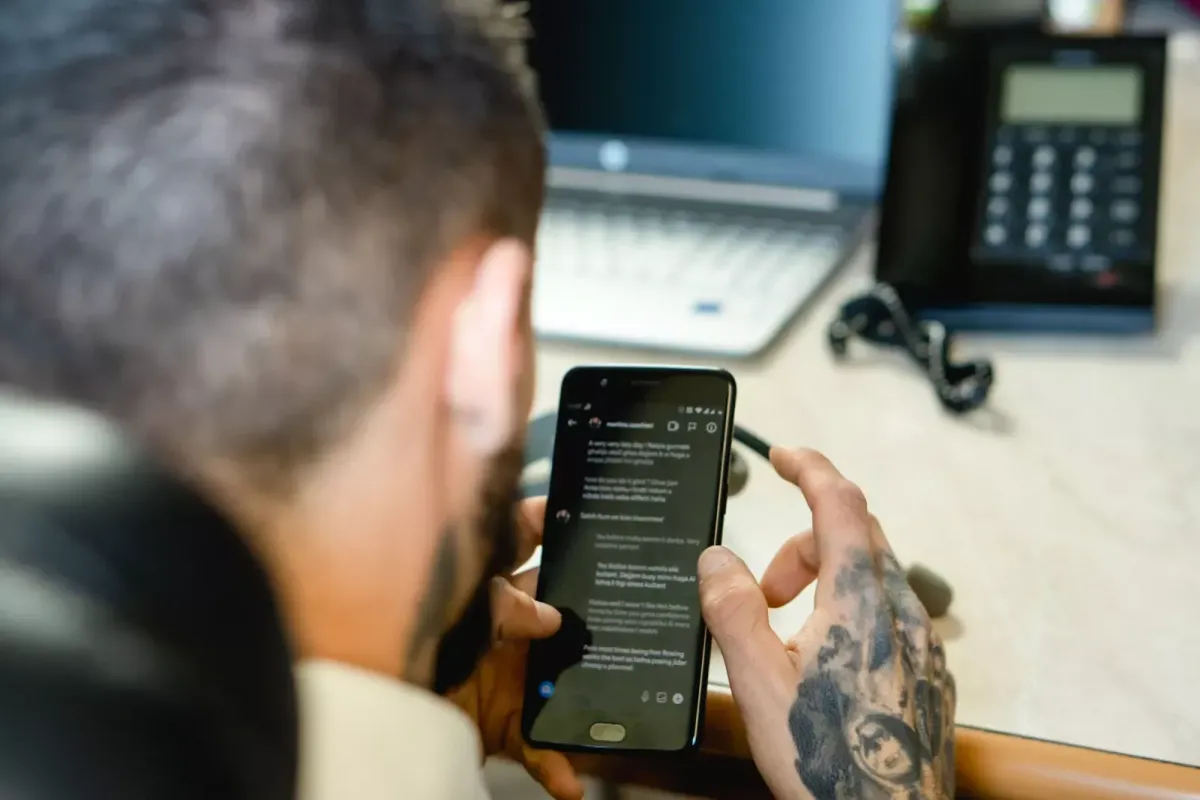
Employment Law and HR Investigations Mobile Data's Role in Discrimination and Harassment Cases
Workplace discrimination and harassment claims often hinge on private employee conversations. Text messages, group chats, and other mobile communications make or break a case. Mobile data collection has become essential for modern HR investigations and employment litigation.
When allegations surface, organizations must uncover what was said, when, and by whom. Specialized eDiscovery software helps legal and HR teams gather this evidence quickly and defensibly.
How Text Messages Prove or Disprove Workplace Misconduct
Text messages often capture moments that formal HR complaints can’t. A heated exchange, an inappropriate comment, or a pattern of behavior can surface in mobile chats. These messages provide context that witness statements alone may lack.
For HR investigators, mobile evidence can work in two directions. It may confirm an employee's complaint. It can also clear an accused employee of wrongdoing. This dual function makes mobile evidence valuable, not adversarial.
Common sources of relevant mobile data include:
SMS and iMessage conversations between coworkers
Group chats on platforms like WhatsApp or similar apps
Call logs showing patterns of contact
Shared photos or screenshots referenced in a complaint
Timestamps that establish a sequence of events
Each source adds a piece to the investigative puzzle. Without a structured collection process, this evidence can be lost, altered, or overlooked entirely.
Evidence Admissibility in Discrimination and Harassment Cases
Courts and internal hearing officers will not accept mobile evidence at face value. They expect proof that the data is authentic and unaltered. Collection methodology matters as much as the content itself.
Screenshots are a common but risky shortcut. They can be edited, cropped, or taken out of context. Opposing counsel may challenge their authenticity during litigation.
A defensible collection process should preserve metadata, including timestamps and sender information. It should also document chain of custody from the moment data is captured. These details help establish that evidence has not been tampered with.
Admissibility concerns extend beyond the courtroom. Internal HR proceedings and EEOC inquiries also benefit from properly preserved evidence. A weak collection process can undermine an otherwise strong case.
Privilege Issues in Mobile Data Collection
Mobile devices often mix personal and professional communications. This overlap creates privilege risks during HR investigations. Attorney-client communications may sit alongside casual texts about a workplace dispute.
Broad, unscoped collections increase the chance of capturing privileged or irrelevant material. This raises privacy concerns and can complicate legal review. It may also expose an organization to claims of overreach.

Targeted collection reduces this risk. Scoping by custodian, date range, and keyword limits exposure to only relevant communications. This approach respects employee privacy while still satisfying investigative needs.
Legal teams should establish clear protocols before collection begins. Defining what falls inside and outside the scope of an investigation protects the organization and the employee.
Building a Defensible Mobile Data Collection Process for HR Investigations
A consistent, repeatable process is the foundation of defensible mobile data collection. Ad hoc methods, like asking an employee to forward screenshots, rarely hold up under scrutiny.
Effective HR investigations typically follow a structured approach:
Define the scope of the investigation early
Identify custodians whose devices may hold relevant data
Collect mobile data remotely, without seizing devices
Preserve metadata and document chain of custody
Prepare collected data for review and analysis
This structure helps HR and legal teams move quickly without sacrificing rigor. It also creates a clear record that can withstand challenges from opposing counsel or regulators.
Strengthening Your Next Workplace Investigation
Workplace investigations move fast, and mobile evidence often sits at the center of disputed claims. Having a defensible process in place before an allegation arises makes a significant difference.
PME helps HR and legal teams collect mobile data remotely and defensibly. Our approach focuses on targeted acquisition, capturing only relevant communications. This protects employee privacy while supporting a thorough investigation.
We also prioritize chain-of-custody documentation and audit trails throughout the process. These details matter if a case proceeds to litigation or regulatory review.
Contact our team for a demo to see how our mobile data collection platform can support your next employment investigation.
FAQ
Can mobile data collection support internal HR investigations?
Yes. We help organizations collect mobile communications for internal investigations, including workplace complaints, ethics matters, and whistleblower claims. Our targeted, consent-based approach focuses only on relevant data.
How does PME protect employee privacy during a workplace investigation?
We scope collections by custodian, date range, and data type. This limits exposure of personal information unrelated to the investigation, balancing thoroughness with privacy.
Can mobile evidence collected this way hold up if a case goes to court or before the EEOC?
Yes. We preserve chain-of-custody documentation and audit trails throughout the collection process. These records help demonstrate that evidence was captured and maintained defensibly.