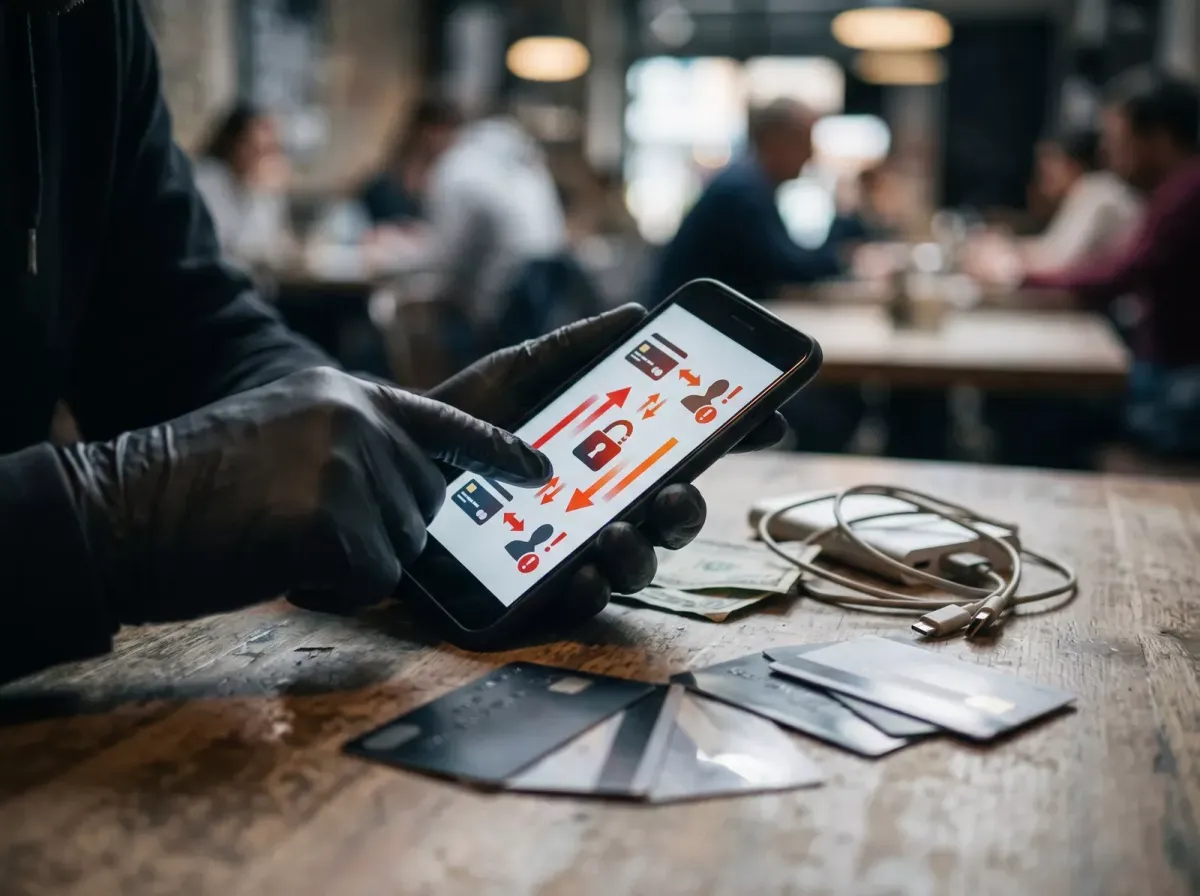
The "Silent Witness": Mobile Data in Fraud and Kickback Investigations
Fraud and kickback schemes are often designed to leave minimal paper trails. Yet mobile data collection has emerged as one of the most powerful investigative tools available to legal and compliance professionals. Perpetrators frequently use personal devices and informal messaging to coordinate activities they intend to keep hidden.
Those same devices often capture detailed records of every exchange. Informal texts, call histories, and location data can surface as pivotal evidence when a case reaches litigation or regulatory scrutiny.
How Call Logs and Location Data Expose Collusion
Call logs reveal far more than who spoke to whom. They document frequency, timing, and contact patterns across extended periods. In a fraud investigation, a number acting as an intermediary between disconnected parties may show short-duration calls at regular intervals. That behavioral indicator can suggest structured coordination that no formal record would capture.
When two parties in a procurement process maintain regular private contact outside official channels, that alone can raise red flags. Investigators use these signals to identify undisclosed relationships at the center of an alleged scheme.
Location data adds another dimension. GPS artifacts and cell tower records can confirm whether two individuals were physically present at the same location. This allows legal teams to test whether informal meetings preceded suspicious payments. Spatial and temporal correlations of this kind are difficult to fabricate.
Messaging Apps and Attachment Evidence
Modern fraud rarely relies on voice calls alone. WhatsApp, iMessage, and similar platforms have become preferred channels for off-the-record coordination. These apps generate substantial evidence: conversation threads, read receipts, file transfers, and precise timestamps for every interaction.
Attachments deserve particular attention. Invoices, photographs, and financial documents shared through chat apps can corroborate or contradict what official records show. A vendor agreement forwarded through a private messaging thread on the eve of a contract award tells a different story. Formal paperwork often omits these details.
Corporate investigations present an added layer of complexity when relevant data resides on personal devices. BYOD environments mean that key conversations may sit outside the reach of traditional IT controls. Remote, scoped mobile collection allows legal teams to gather only what is pertinent. Device surrender or broad data sweeps are not required.
Teams that rely solely on email records miss a significant portion of how colleagues coordinate contemporary misconduct. Targeted mobile collection captures these overlooked channels within a defensible framework.
Connecting Mobile Activity to Financial Transactions
The most persuasive evidence in a fraud or kickback case is often the link between communication and money. Targeted mobile data collection makes that connection visible to courts and regulators.
Examiners align timestamps from call logs or message threads with the dates of suspicious financial transactions. A text sent to a vendor an hour before an inflated invoice arrives raises questions. Private or off-channel messages between a procurement officer and a supplier on the day a contract is awarded are difficult to explain away.
Why Defensible Collection Is Non-Negotiable
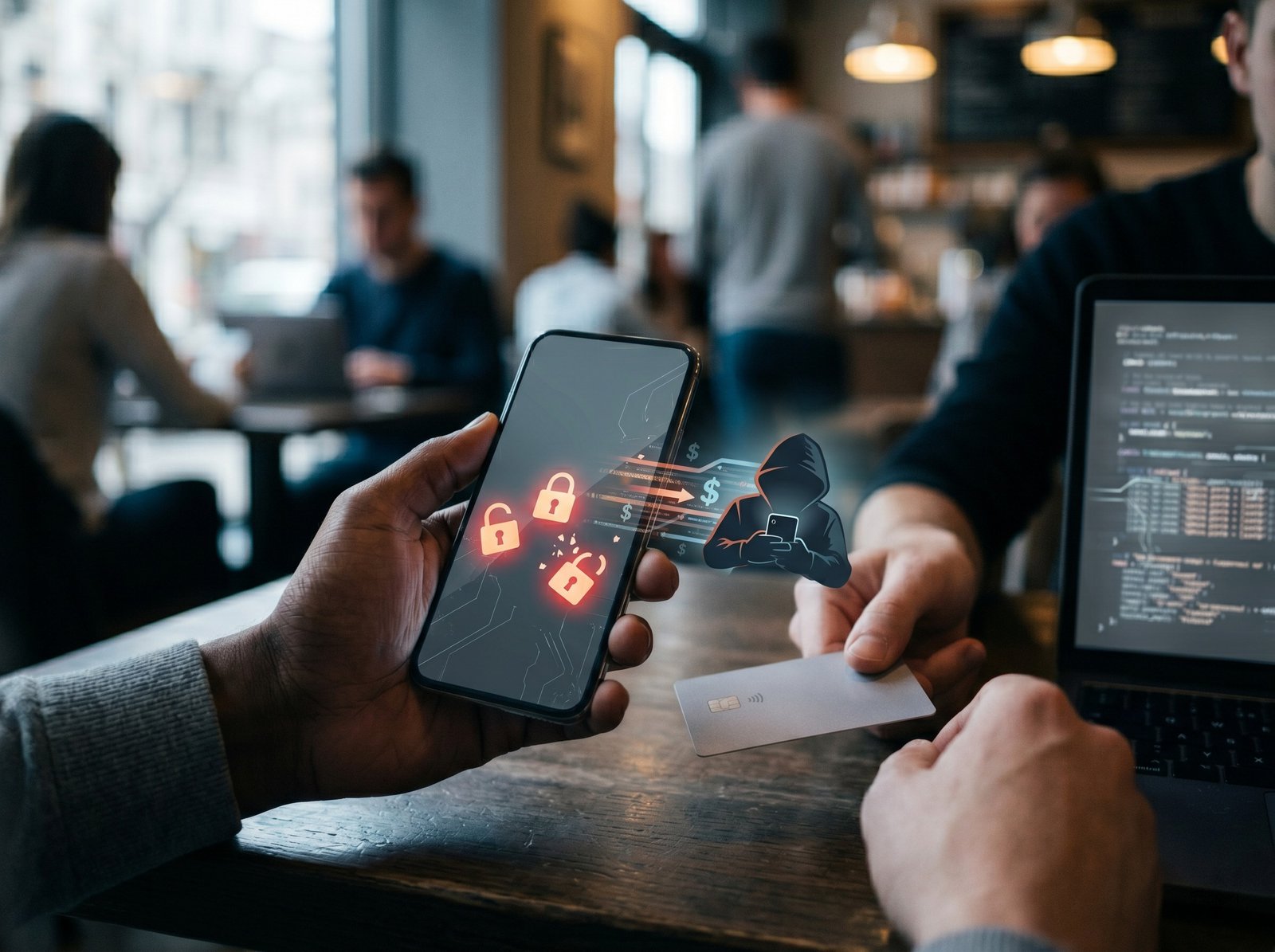
Uncovering evidence is only half the work. That evidence must also withstand legal scrutiny. Fraud and kickback matters attract aggressive opposing counsel who will examine every aspect of how data was obtained.
How teams collect mobile data matters as much as what they collect. Inconsistent or undocumented methods can render compelling findings inadmissible. Courts and regulators increasingly expect mobile data to meet the same evidentiary standards applied to email and traditional electronic records.
This is where purpose-built platforms make a measurable difference. The PME platform is designed specifically for legal and compliance use cases. Every collection follows forensically sound, repeatable processes with clear chain-of-custody documentation.
Key defensibility features we provide include:
Standardized, documented workflows that reduce the risk of admissibility challenges
Comprehensive audit logs and chain-of-custody records to support expert testimony
Cryptographic hashing to validate data integrity after collection
Immutable storage options that prevent alteration of collected evidence
Targeted, scoped collection that limits over-collection and protects uninvolved parties
These controls help organizations demonstrate more than the existence of findings. They show that teams gathered evidence in a manner courts and regulators can trust.
Build Your Case on a Solid Foundation
Mobile evidence in fraud and kickback investigations rarely speaks for itself. It requires a platform that gathers data defensibly, preserves it with integrity, and prepares it for legal review.
Our platform enables targeted, remote mobile data collection without requiring physical device access or onsite technicians. Every collection follows auditable, repeatable workflows designed to meet the expectations of courts, regulators, and enforcement agencies. We support collection of SMS, iMessage, messaging app content, call logs, attachments, and associated metadata. Each collection is scoped by custodian, date range, and data type.
If mobile evidence is central to your next investigation, request a demo. See how our platform supports the full inquiry lifecycle from collection through review readiness.
Frequently Asked Questions
Can mobile data collected through your platform be used in legal proceedings?
Yes. Our platform provides defensible collection workflows with clear chain-of-custody documentation, comprehensive audit trails, and immutable storage options. These controls are designed to meet the evidentiary standards expected by courts, regulators, and enforcement agencies.
What types of data can you collect for a fraud or kickback investigation?
We support collection of SMS, iMessage, and messaging app content such as WhatsApp, along with attachments, media, contacts, and associated metadata. All collections are targetable by custodian, date range, and data type, allowing teams to focus only on what is relevant to the matter.
Does collecting mobile data require physical access to a device?
No. Our platform enables 100% remote, custodian-guided mobile collection. Custodians participate securely without shipping their devices or meeting with onsite technicians. This reduces disruption and accelerates the process for both legal teams and the individuals involved.